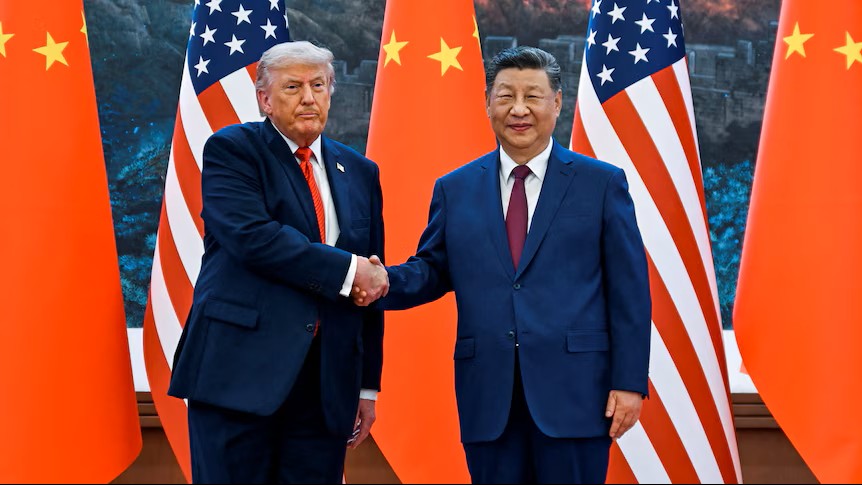
Markets rallied yesterday off improved risk sentiment, with the S&P 500 rising +2.91% while oil prices fell, after Trump announced that the US could leave the war with Iran in “2 or 3 weeks” even if the Strait of Hormuz remained closed. While the reaction in markets seem to imply that the worst is behind us, this relief might be overlooking a key risk that’s not going away, even if the war ends tomorrow.
That risk is oil supply. The Strait of Hormuz is usually responsible for 20m barrels of daily oil flow, about 20% of total oil trade. That number is now reduced by as much as 95% now, after Iran closed passage and started striking tankers in the region. To put this magnitude into perspective, during the 2022 Russian invasion of Ukraine where the US banned imports of Russian oil, Brent oil prices rose to as high as $139/barrel despite Russia only exporting 8m barrels a day.

Prices remained elevated mostly around the 80-90 level after the initial supply shock, lasting through until mid 2024 where it then began falling towards the 60 level in early 2026. The main reason why oil prices aren’t surging past 2022 levels now, is because of time. No one expects the US-Iran conflict to last as long as Russia’s invasion of Ukraine, with President Trump himself initially stating that it would be over in 4-6 weeks. However, even though the war might be over sooner rather than later, the consequences are set to have lasting effects.

Oil prices won’t just drop back to the pre-war $60+/barrel level overnight the moment the conflict ends, and are more likely to trade around the $70-80 range. Iranian attacks on its neighbours’ energy infrastructure caused damage and closures which take months to repair and return to full production levels. Furthermore, the Iranian government intends to retain control over the strait even after the war, having implemented a “toll booth” system for ships to pass through. The effect is not just limited to oil, with the the strait also handling a third of global seaborne fertilizer trade, necessary for crops.
What this means is that oil prices are positioned to remain structurally higher for longer, and as we can see from 2022, leads to almost immediately higher inflation. Before the war started, central banks around the world were mostly leaning towards cutting interest rates amid an economic slowdown. Now, their tone has notably shifted more hawkish, with markets now pricing in 50% chance of a US Fed rate hike by end 2026, compared to the two cuts previously.

The global economy has also shown signs of weakness, with the latest Nonfarm Payrolls data showing signs of cracks in the typically robust US economy. With the threat of rising inflation from the oil supply shock and slowing economic growth, the Fed and central banks around the world are facing a dilemma on policy direction going forward.